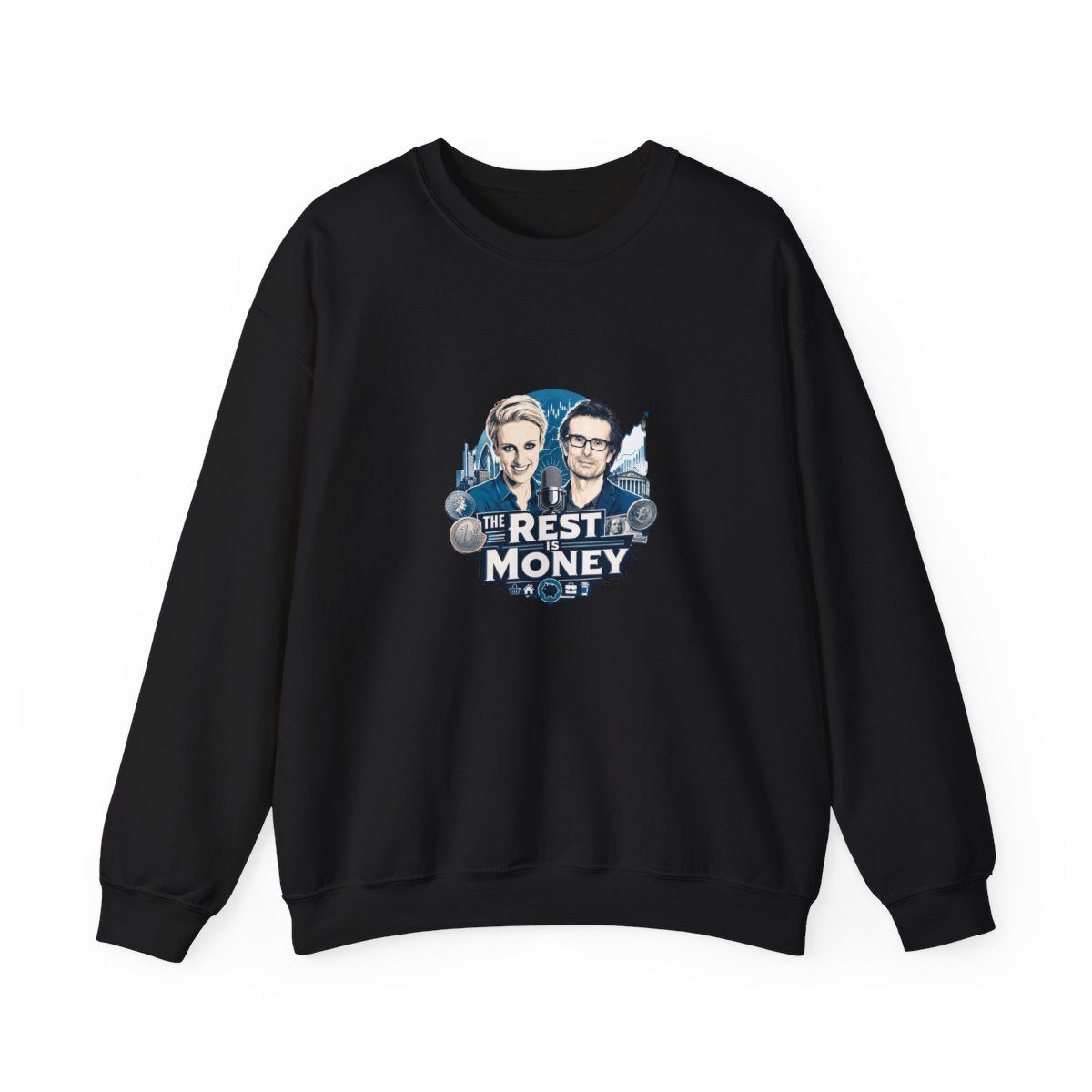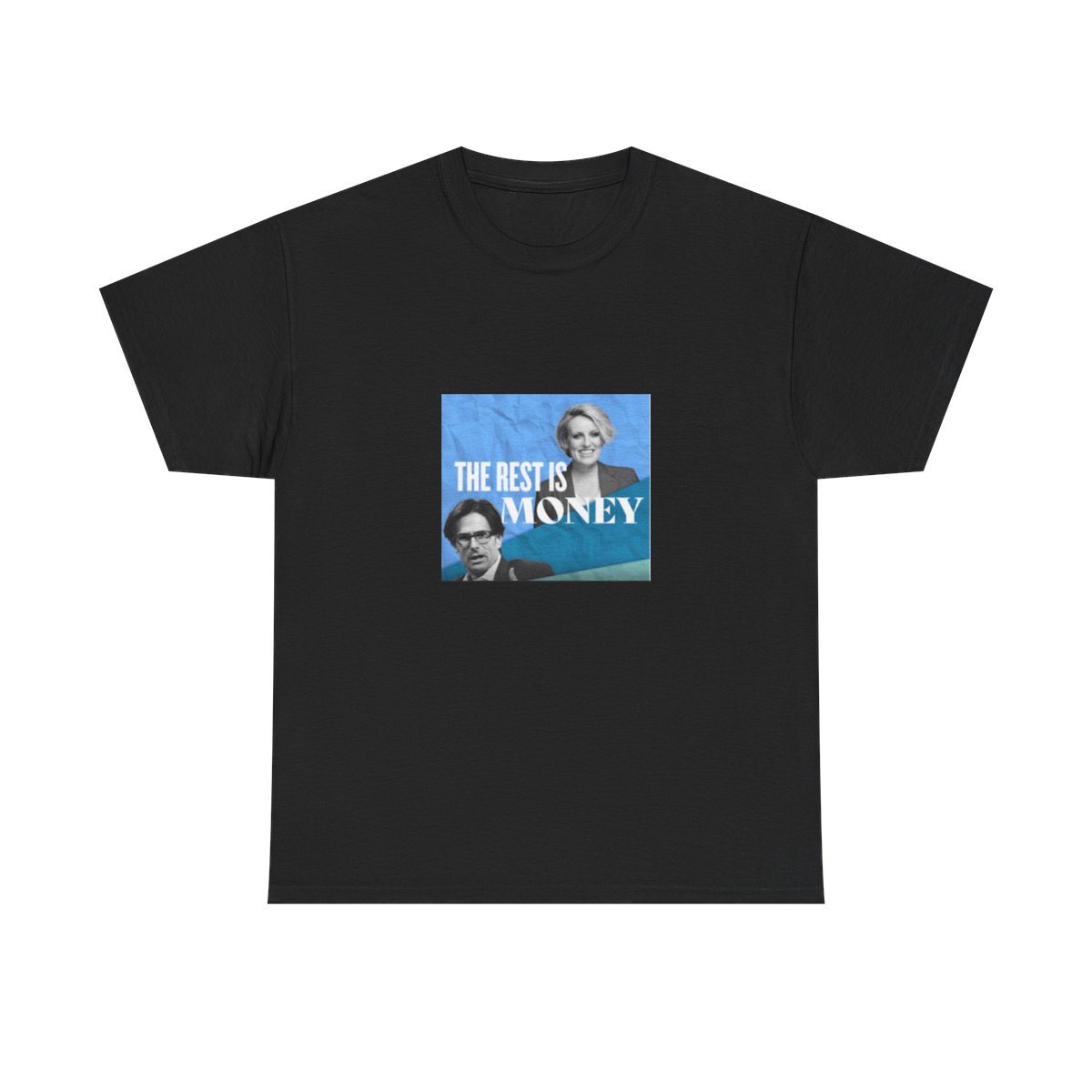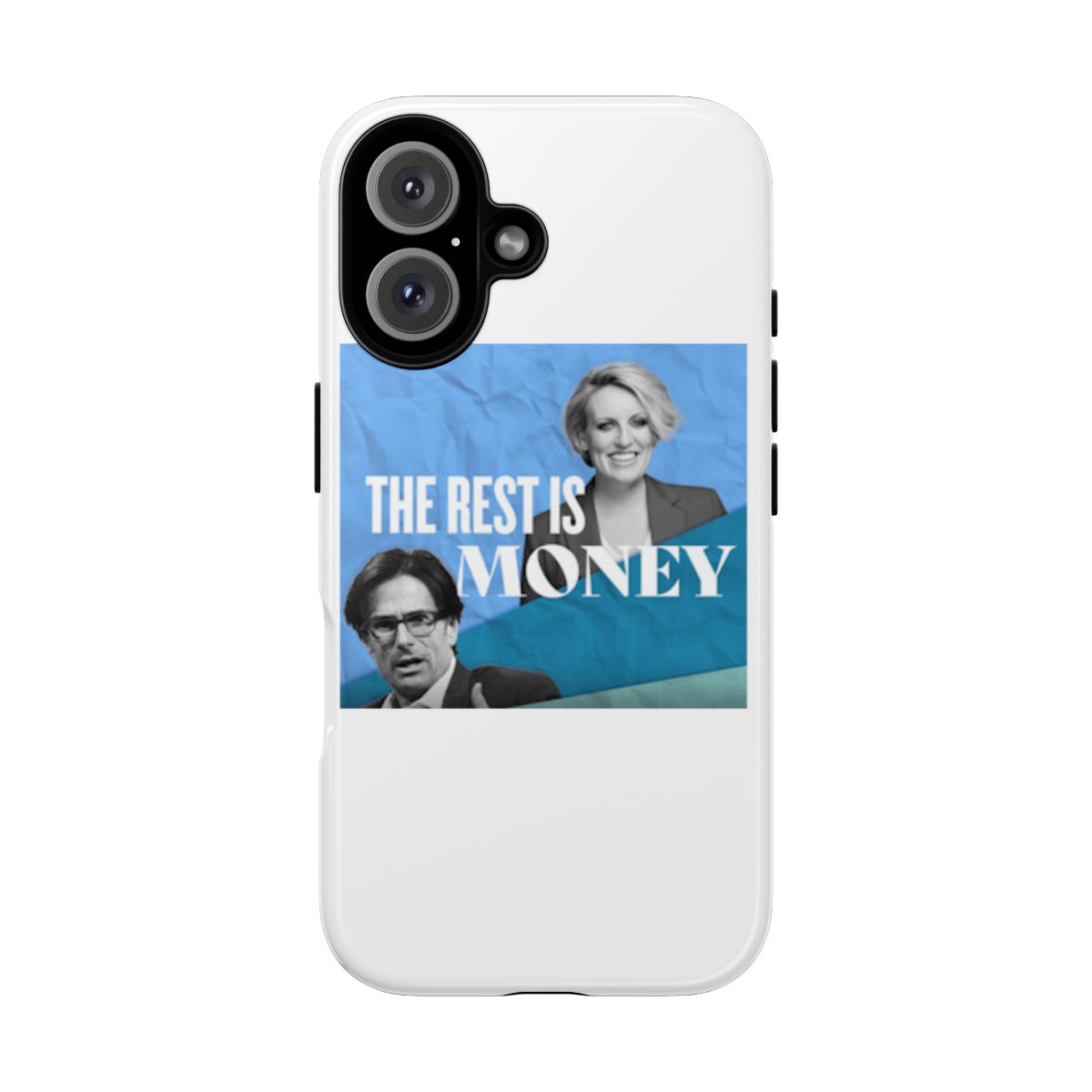
The Rest Is Money podcast breaks down everything from mortgage rates to pensions, and it has built a community that wants to show their support. With that popularity comes a shadow industry of knock-off hoodies and mugs. Fake merch is creeping into social media ads and online marketplaces, and it often looks convincing at first glance. The good news is that with a little knowledge, you can spot the real from the fake in minutes. This guide will show you exactly what to look for, so you do not waste your money.
← Back to Blog
How to Spot Fake The Rest Is Money Merch: A Fan Guide
Fake The Rest Is Money merch is everywhere. Learn the red flags and how to verify authenticity so you can proudly wear the real thing.
Why Counterfeit Podcast Merch Exists
Counterfeit printing is not a new problem. It has plagued sports kits and designer goods for decades. Podcast merch is a newer target, but it is just as profitable. The reason is simple: the demand is high and the product is easy to reproduce. When a podcast becomes successful, there is a ready-made fanbase that wants to wear its loyalty. The Rest Is Money is no exception. Every week, fans listen to Steph McGovern and Robert Peston debate the economy, and many of them want a physical item to show their support.
Counterfeiters exploit that desire by using cheap print-on-demand services. They do not invest in custom cuts, high quality fabrics, or careful printing. They rely on the fact that most buyers will not inspect the item closely. On top of that, podcasts often release limited edition drops, which creates a sense of urgency. That urgency is exactly what fake sellers are counting on.
Red Flags: Price, Quality, and Packaging
There are three main tells that a The Rest Is Money item is not official. Each one should raise your suspicion on its own, but seeing two or three together is almost a guarantee.
Price
The official store sets prices that cover the cost of making the product, running the podcast, and shipping to fans. If you see a hoodie at a fraction of the typical price, ask yourself how the seller could afford to sell it at that number. It is possible that a genuine seller is clearing stock, but for in-demand designs it is much more likely that the item is counterfeit. If a deal sounds too good to be true, it almost always is.
Print Quality
The most telling sign is the artwork. The official The Rest Is Money logo is clean and consistent across all products. On a genuine t-shirt, the print should sit sharply on the fabric with no pixelation, no jagged edges, and no heavy cracking after the first wash. Fake prints often use low resolution screens and thin ink that flakes off quickly. Check the front and back of the garment, and pay special attention to small text. Double letters and fuzzy outlines are classic errors.
For items with embroidery, like patches on a cap, look at the stitching. A fake patch will have thin threads, loose ends, or a backing that feels like paper. Official merch uses dense, consistent stitching that looks neat even from the inside.
Packaging
Official merch arrives in branded packaging with a packing slip that lists the item and order number. In some orders, you might also find a small card or sticker with the podcast's web address. Fake items usually arrive in a plain poly bag with no documentation. If you are buying online, you cannot see the packaging until it arrives, but if you are buying from a flea market or a third-party reseller, you can ask about it.
How to Verify Authenticity and Buy Official
The best way to avoid buying a fake is to go to the source. The official The Rest Is Money store is linked directly from the podcast's show notes and official social profiles, and it is operated by the Goalhanger network. If you see a store in a random Facebook ad, do not click. Always do a quick search to confirm the official store URL.
The official store typically carries designs that correspond to specific episodes or milestones. That gives you a clever verification trick: cross-reference the product with the podcast's episode archive. If you see a hoodie that says "Money Fights" but that episode never existed, it is almost certainly a knockoff. Another simple check is to look at product photos. Official stores use professional photography and detailed descriptions, while fake stores often steal images from the official site and change the price.
What to Do If You Bought a Fake
No one wants to be scammed, but it happens. If you think you have received a counterfeit, do not panic. Document everything. Take clear photos of the item, the packaging, and the seller's listing, and save your order confirmation. Then reach out to the seller and explain that you believe the item is not genuine. Many platforms let you report the issue and request a refund. If the seller refuses, you can dispute the charge with your payment provider.
It is also a good idea to flag the seller to the platform so other fans do not get caught. Counterfeiters rely on silence, so sharing your experience on social media with a photo can help others. Just make sure you never purchase from that seller again. In the end, fake merch harms the podcast you love. Every counterfeited order takes money away from the creators and the small team that makes the content. The most ethical choice is to support the official store.
Ready to get the real thing? Browse the official The Rest Is Money collection, including the hoodie, tee, and mug designs that fans have made favourites. Want to be first to know when new designs land? Join the newsletter and we will send you a note when the next batch drops.
Related Posts
Merch
The Best Rest Is Money Merch Gifts for Finance Grads 2026
From hoodies to mugs, find the perfect The Rest Is Money merch gift for a finance graduate. Our guid...
MerchThe Rest Is Money Holiday Merch Gift Guide 2026
Discover the top The Rest Is Money holiday merch picks for 2026. From clever pins to heavyweight hoo...
MerchBack-to-School Dorm Style with The Rest Is Money Merch
Get your dorm room ready for fall with The Rest Is Money merch - from the Classic T-Shirt to the Pre...
Shop The Rest Is Money Merch
Official merchandise — premium quality, designed for the community.